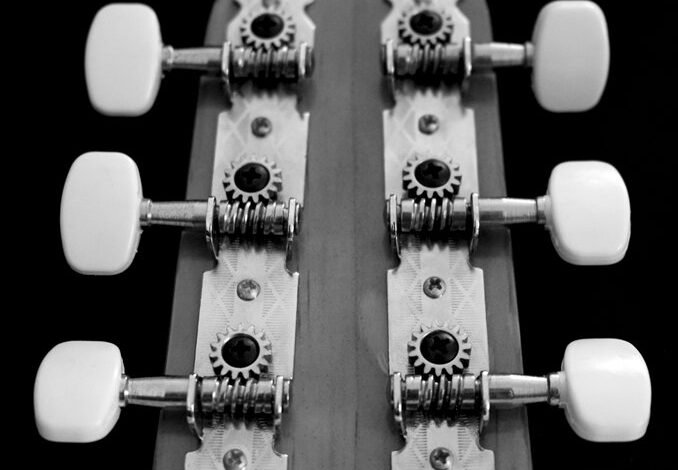
Drop A tuning expands a guitar’s low-end, lowering the low strings to A for heavier riffs and extended range. It alters tension, intonation, and tone, demanding careful setup: stable nut and bridge, proper truss-rod relief, and precise intonation to avoid drift. The approach benefits groove and power, but can erode note clarity at extremes. Genre, gear stability, and practicality shape the path, leaving practitioners with decisions that influence stage reliability and expressiveness—choices that hinge on what lies beyond the next chord.
What Drop A Tuning Is and Why Players Use It
Drop A tuning, also known as Drop A or Drop A string tuning, lowers the guitar’s low two strings to A and scales the instrument down further than standard Drop D or Drop C tunings. The approach enables heavier riffing and extended range, yet introduces tension and intonation considerations.
Drop A tuning highlights tone tradeoffs between fullness and rigidity, guiding pragmatic sonic choices.
How Drop A Tuning Affects Tone, Rhythm, and Reach
In Drop A tuning, tonal fullness and string tension shift in tandem with the lowered pitch, yielding a heavier, more aggressive foundational sound while risking reduced note definition at extreme low end.
The altered resonance influences tone shaping and sustain, while rhythm impact intensifies groove potential and dynamic contrast, expanding reach without sacrificing articulation across registers.
Setting Up Your Guitar for Drop A and Practical Riffs
Crafting a Drop A setup requires careful attention to scale length, string gauges, and truss-rod relief to balance tension with playability, ensuring the lowered pitch remains stable across frets.
The guitarist tunes with systematic checks, calibrates intonation, and selects a stable nut and bridge setup.
This enables groove based riffs and a stage ready setup without sacrificing reliability or comfort.
Choosing a Tuning Path: Genre, Gear, and Common Pitfalls
Choosing a tuning path depends on genre expectations, the scale and tension requirements of the music, and the gear’s ability to sustain stable intonation.
A disciplined approach weighs genre alignment against practical constraints, clarifying tuning path options, discerning reliable gear choices, and predicting how common pitfalls—string tension, inconsistent intonation, and setup errors—may arise, enabling informed, freedom-oriented decisions.
Frequently Asked Questions
How Do I Transpose Existing Songs to Drop a Correctly?
Transposition involves lowering the pitch by two steps (Drop A) or more, carefully adjusting fingerings; anticipate transposition challenges and monitor guitar tension to avoid neck stress, ensuring chords and voicings remain feasible for the performer.
Can I Use a Tremolo or Floyd Rose With Drop A?
Like a careful chess move, tremolo compatibility exists but is limited; Floyd Rose feasibility depends on the routing and tension. The assessment notes potential conflicts with drop A tuning, urging professional setup for stability and precise intonation.
What Are Common Mistakes in String Tension With Drop A?
Common mistakes include neglecting uniform string tension, causing tension inconsistencies across strings. This compromises intonation and tremolo stability, leading to detuning and neck stress. Analysts note careful measurement, staged tuning, and consistent gauge choices to mitigate issues.
Does Drop a Affect Intonation Across the Fretboard?
Drop A can shift intonation across the fretboard, creating intonation challenges unless setup considerations address string tension and neck relief. The instrument’s scale, gauge, and bridge saddles influence overall accuracy and acoustic freedom in performance.
Are There Care Tips for Extended-Range Setups in Drop A?
Care tips for extended-range setups in drop A emphasize consistent string tension, precise truss-rod adjustments, and calibrated intonation. An analytical approach notes neck relief, nut/saddle work, and careful bridge setup as essential for stable, freedom-oriented performance.
Conclusion
Drop A tuning offers a broader low-end palette and heavier attack, appealing to modern metal, djent, and aggressive riffing while demanding careful setup and consistent string tension. The approach influences tone, bendability, and precision, with compromises in note definition at extremes. A practical path balances genre goals, rig stability, and maintenance. In short, the tuning unlocks power when applied with disciplined setup—an old adage holds: “measure twice, cut once,” ensuring reliable intonation and stage-ready performance.