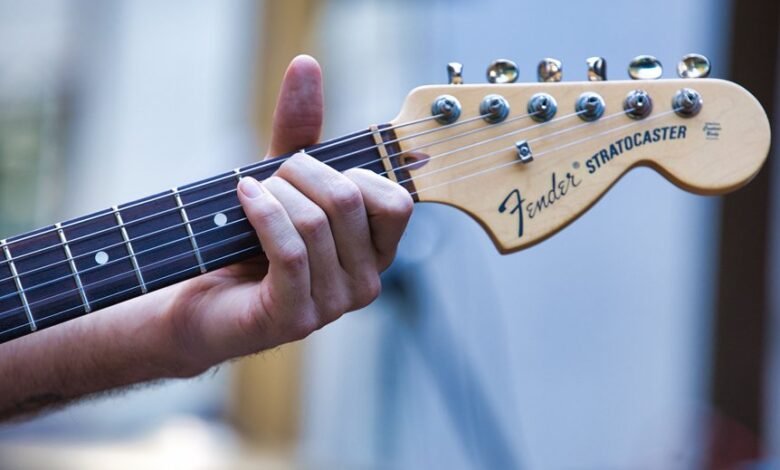
Open E tuning unlocks bold, droning textures and slide-friendly voicings that span blues to metal. The guide weighs setup precision, from truss stability to accurate intonation, and explains how deliberate string tension affects sustain. It contrasts standard and drop D contexts to broaden resonance and riff-readiness. With genre-spanning applications and practical dynamics, it points to repeatable phrasing as a path to reliable Open E tone—yet the practical implications hint at nuances that invite closer examination.
What Open E Tuning Is and Why It Rocks
Open E tuning, a variant of standard guitar tuning that lowers the strings to E–B–E–G#–B–E, creates a droning, open chord when strummed without fretting.
This approach expands harmonic texture and slide-accessible voicings, contrasting with drop D and standard setups.
Open E vs drop D reveals broader resonance; open E vs standard highlights ease of riffing and tonal boldness.
Quick Setup and Tuning Guide for Open E
A quick setup for Open E begins with a precise string tension and deliberate neck relief to ensure clean intonation and minimal fret buzz. The process emphasizes stable truss, accurate tuner reads, and measured saddle positions. Two word idea1, two word idea2 guide adjustments, balancing tone and playability. Results favor freedom-minded players seeking reliable setup, repeatable tuning, and expressive open strings.
Genre-Spanning Open E Song Tour: Essential Tracks
Considering Open E’s adaptability across genres, this tour identifies essential tracks that showcase its tonal versatility, from blues-rock grit to folk-inflected resonance and metal-edged progressions. The selection traces open e history through concise archetypes, mapping distinct tone palettes while highlighting minimalist fingering and rhythmical clarity. It clarifies context, inviting exploration without overstatement or constraint on creative freedom.
Practical Playing Techniques to Nail Open E Dynamics
In exploring the Open E’s dynamic potential, players can translate genre-spanning insights from the previous subtopic into practical techniques that shape tone, attack, and sustain. Practical methods include deliberate dynamic attack control, finger-plucking nuance, and precise pick-hand pressure. Mastery rests on repeatable phrasing, consistent articulation, and sustain control, enabling expressive contrast while preserving clarity across open E riffs and chordal textures.
Frequently Asked Questions
How Can Beginners Safely Press Strings in Open E Without String Buzz?
Breathes carefully, the beginner-friendly technique relies on light, even pressure, proper finger placement, and delayed fretting; avoids bending strings. Open E pitfalls include muting strings, excessive tension, and inconsistent action, which hinder clean notes and progress.
Which Gear Enhances Open E Tone Without Breaking the Bank?
Open E gear delivers clean tone without breaking the bank, pairing budget pedals with sturdy fundamentals; juxtaposition highlights affordability against clarity, as the setup emphasizes expressive freedom through practical, analytical choices rather than lavish gear.
How to Transpose Songs to Open E From Standard Tuning?
To transpose from standard tuning to open E, one must shift pitches accordingly, noting transposition pitfalls and adjusting fingerings; open E voicings emerge, yet care is needed to preserve resonance and avoid awkward shapes or string tensions.
What Common Mistakes Ruin Sustain in Open E Riffs?
Like a clockwork throat, the riff’s sustain suffers when finger muting, string bias, or misplaced harmonics disrupt resonance. The example illustrates sustain pitfalls and phrasing pauses, revealing how technique and dynamics govern open E tone and musical freedom.
Are There Open-String Tricks Unique to Open E Songs?
Open E phrasing introduces unique open-string tricks like ringing cycles and drone-based motifs; open E harmonics exploit natural harmonics on open strings, creating shimmering textures. These techniques sustain freedom by emphasizing resonance within open-string color and phrasing.
Conclusion
Open E unlocks bold textures, Open E unlocks drone-friendly voicings, Open E unlocks slide-friendly voicings. It demands stable setup, precise intonation, deliberate tension, repeatable phrasing, and controlled dynamics. It rewards deliberate attack, consistent pick-hand technique, and clear tonal balance. It invites genre-spanning exploration, from blues-rock to metal-infused progressions, with a focus on phrasing and texture over flourish. It provides practical pathways, practical discipline, practical adaptability, practical expression, cultivating versatility, and sustaining musical clarity across diverse Open E applications.